Brought to you by Luxury Taj Tours
Varanasi defies simple description. It is simultaneously one of the world's oldest living cities and one of its busiest places of worship - a constant carnival of birth and death, prayer and commerce, ancient tradition and chaotic modernity. The oldest Hindu texts call this place Kashi - City of Light - and it remains the spiritual capital of Hinduism. Mark Twain wrote: 'Benares is older than history, older than tradition, older even than legend, and looks twice as old as all of them put together.'
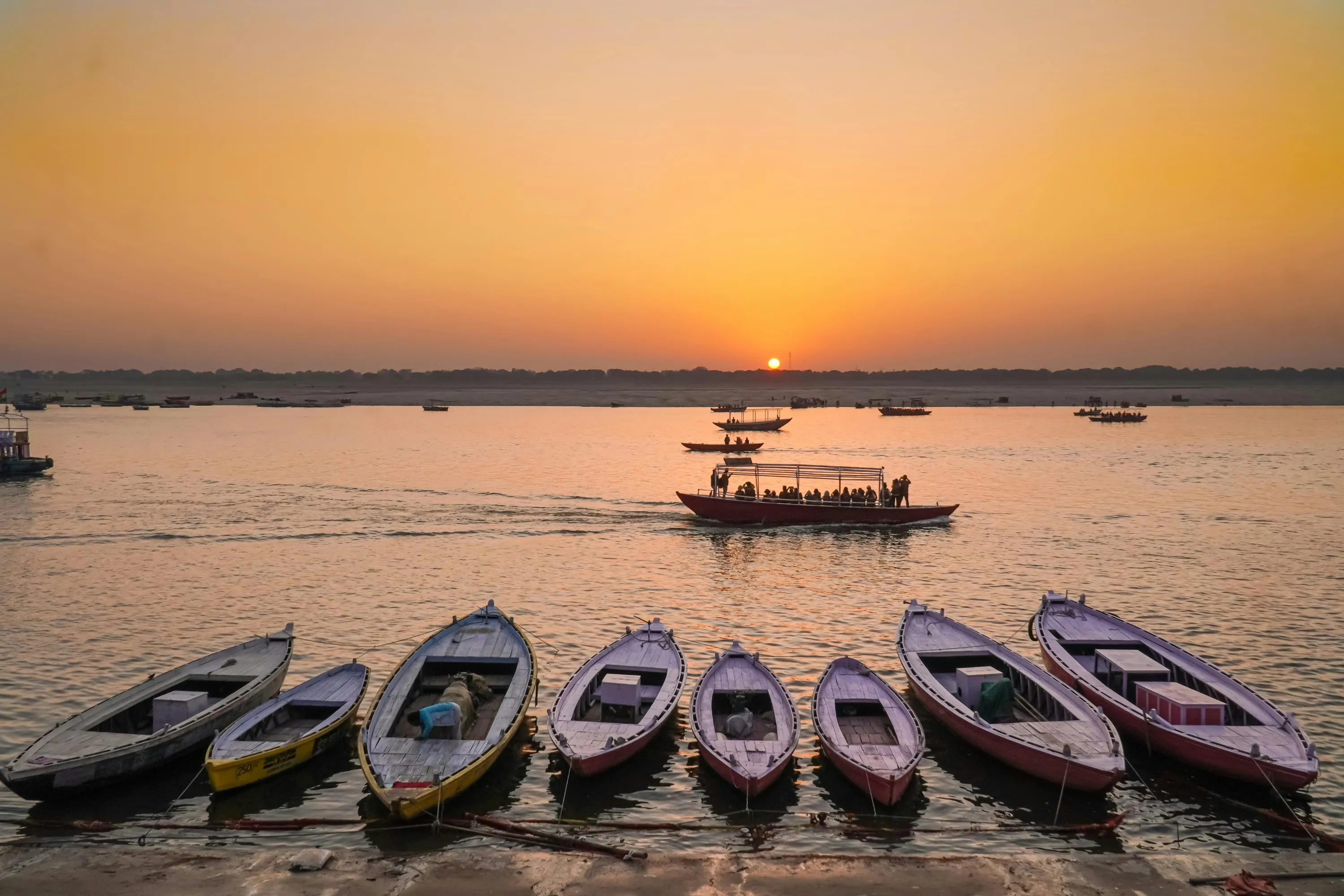
Before Sunrise: The Awakening Ghats
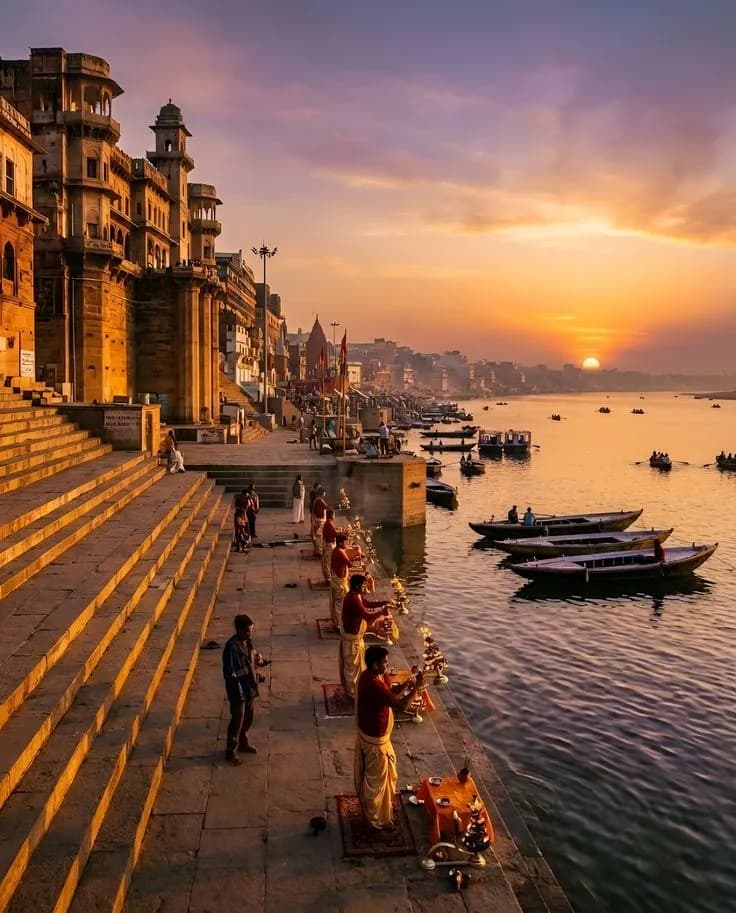
Set your alarm for 4:30 AM. Walk to Assi Ghat and hire a wooden rowboat. As your oarsman pulls north, the eastern sky lightens over the completely undeveloped far bank of the Ganges - preserving Varanasi's skyline exactly as it appeared centuries ago. Priests descend for dawn puja, elderly men perform yoga on the steps, pilgrims immerse themselves facing the rising sun, and flower offerings drift downstream in leaf boats. The smoke from the cremation ghats mingles with incense and morning mist. This boat ride is, for many visitors, the single most powerful travel experience of their lives.
- Sunrise boat ride from Assi Ghat northward along all 88 ghats
- Morning puja rituals on the stone steps
- View the Manikarnika cremation ghat by boat (photography prohibited)
- Flower and diya leaf-lamp offerings floating on the river
Morning: The Old City Lanes
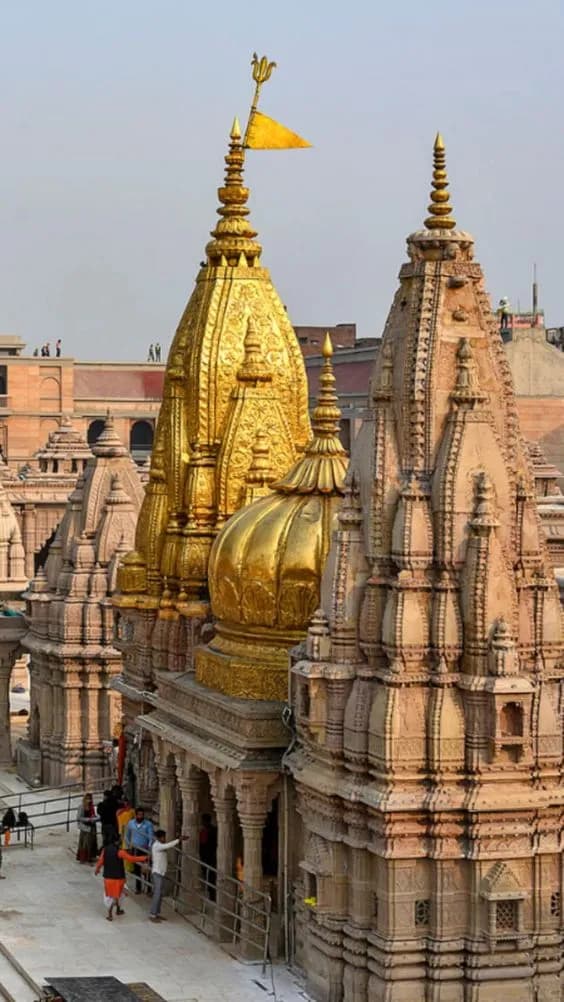
After the river, plunge into the galis - Varanasi's ancient lanes, too narrow for vehicles. Getting deliberately lost here is part of the experience. The lanes weave through temples, sweet shops, silk weavers, flower sellers, and neighbourhood shrines. The Kashi Vishwanath Temple - dedicated to Lord Shiva and rebuilt in gold in 1780 by Maharani Ahilyabai Holkar - is the heart of the city. The new Kashi Vishwanath Corridor provides a grand walkway from the ghats directly to the temple. Stop for chai and kachori-sabzi breakfast at any streetside stall - the definitive Varanasi morning.
- Kashi Vishwanath Temple - most sacred Shiva temple in India
- Gali lanes - medieval alleys between ghat and temple
- Breakfast: chai + kachori sabzi at a street stall
- Blue Lassi Shop - legendary thick lassi served in clay cups
Afternoon: Sarnath
Take an auto-rickshaw 10 km north to Sarnath - where the Buddha delivered his very first sermon after attaining enlightenment. The Dhamek Stupa (249 BCE), built by Emperor Ashoka, stands 43.6 metres tall at the precise spot. The Sarnath Archaeological Museum houses the Lion Capital of Ashoka - the 3rd-century BCE sculpture that became India's national emblem - and the finest collection of Buddhist sculpture in the country. The Mulagandha Kuti Vihar temple (1931) holds remarkable frescoes depicting the Buddha's entire life.
- Dhamek Stupa (249 BCE) - marks the spot of the first sermon
- Sarnath Museum - Lion Capital of Ashoka (India's national symbol)
- Mulagandha Kuti Vihar - 1931 temple with life-of-Buddha frescoes
- Only 10 km from Varanasi centre, 30 min by auto-rickshaw
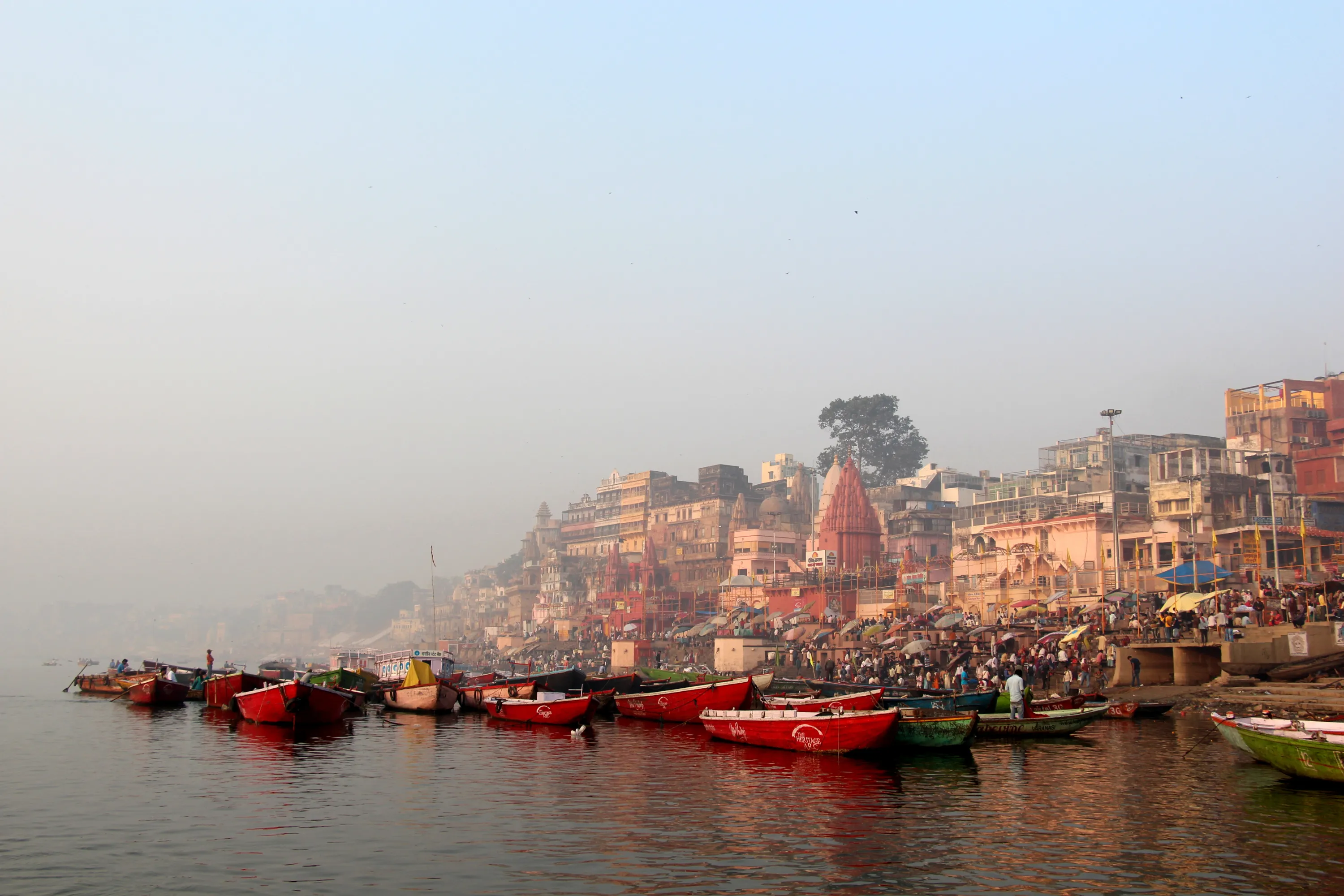
Evening: The Ganga Aarti
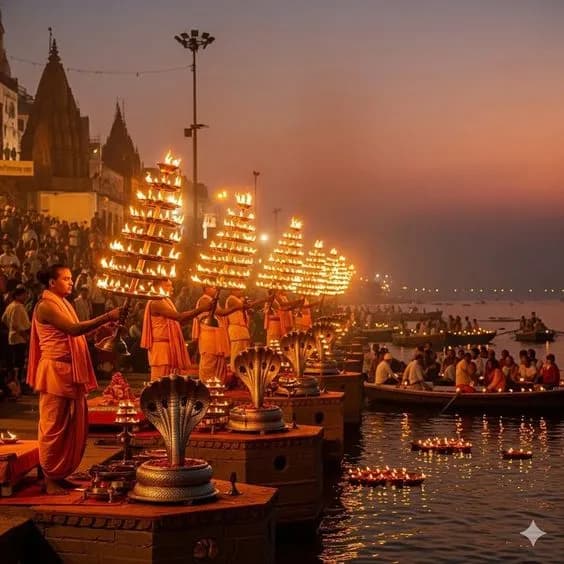
Return to the ghats by 6:00 PM and find your spot at Dashashwamedh before it fills. At 7:00 PM, seven priests in synchronized choreography offer fire, flowers, water, and incense to the river. Multi-wicked brass lamps rise and fall in circular gestures. Conch shells sound, drums beat, chanting fills the air, and thousands of pilgrims and visitors fall under a shared, wordless spell. The Ganga Aarti has been performed every single evening without exception for hundreds of years. After the ceremony, light a small diya leaf lamp and set it on the river - one of the simplest and most moving things you can do in India.
- Arrive by 6:00 PM - the ghat fills fast
- Rent a boat on the water for a panoramic view
- Seven priests, synchronized fire offerings, 45-minute ceremony
- After aarti: light a diya (leaf lamp) on the river
Practical Information
Our Varanasi packages include curated accommodation - from ghat-side heritage guesthouses to riverside luxury hotels - plus a private guide.