Brought to you by Luxury Taj Tours
Rajasthan - literally 'Land of Kings' - is India's largest state and, for many travellers, its most visually overwhelming. Rajput maharajas built their empires on craggy hilltops, desert plains, and beside shimmering lakes, leaving a legacy of palaces, forts, and temples that makes every day feel like turning pages of a richly illustrated history book.
Jaipur - The Pink City
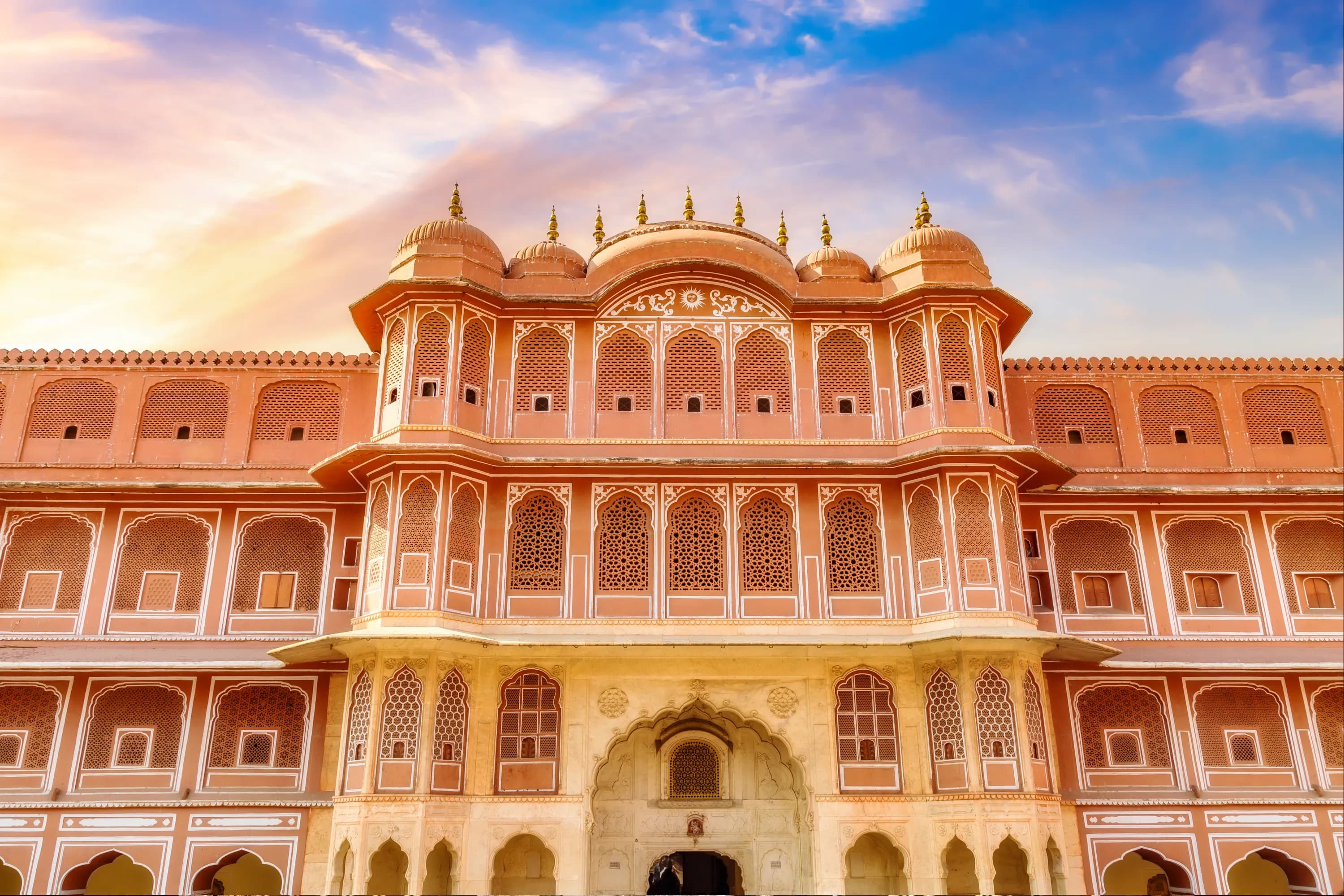
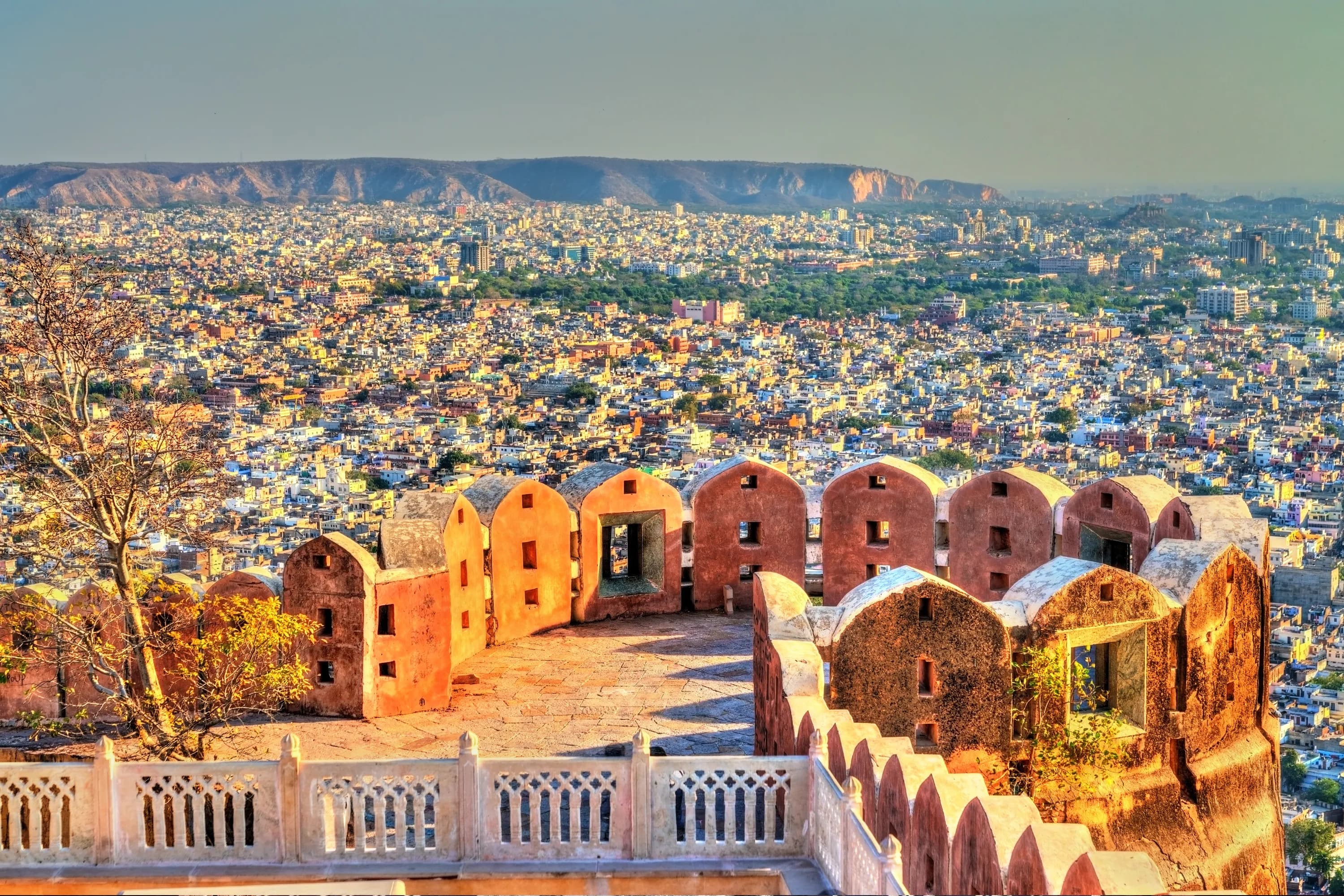
Rajasthan's capital was founded in 1727 by Maharaja Jai Singh II - one of India's first planned cities. Its old walled city is painted terracotta-pink, applied city-wide in 1876 to welcome the Prince of Wales and never since changed. Amber Fort, perched above Maota Lake 11 km from the city, is the state's finest example of Rajput-Mughal fusion architecture. The City Palace is still partially inhabited by the royal family, and Jantar Mantar's 18th-century instruments - the largest astronomical devices ever built in stone - are a UNESCO World Heritage Site.
- Amber Fort - Rajput-Mughal masterpiece with Sheesh Mahal
- Hawa Mahal - five-storey latticed Palace of Winds
- City Palace - royal residence with fine museum galleries
- Jantar Mantar - UNESCO-listed astronomical observatory
- Old City bazaars - gems, block prints, blue pottery
Jodhpur - The Blue City
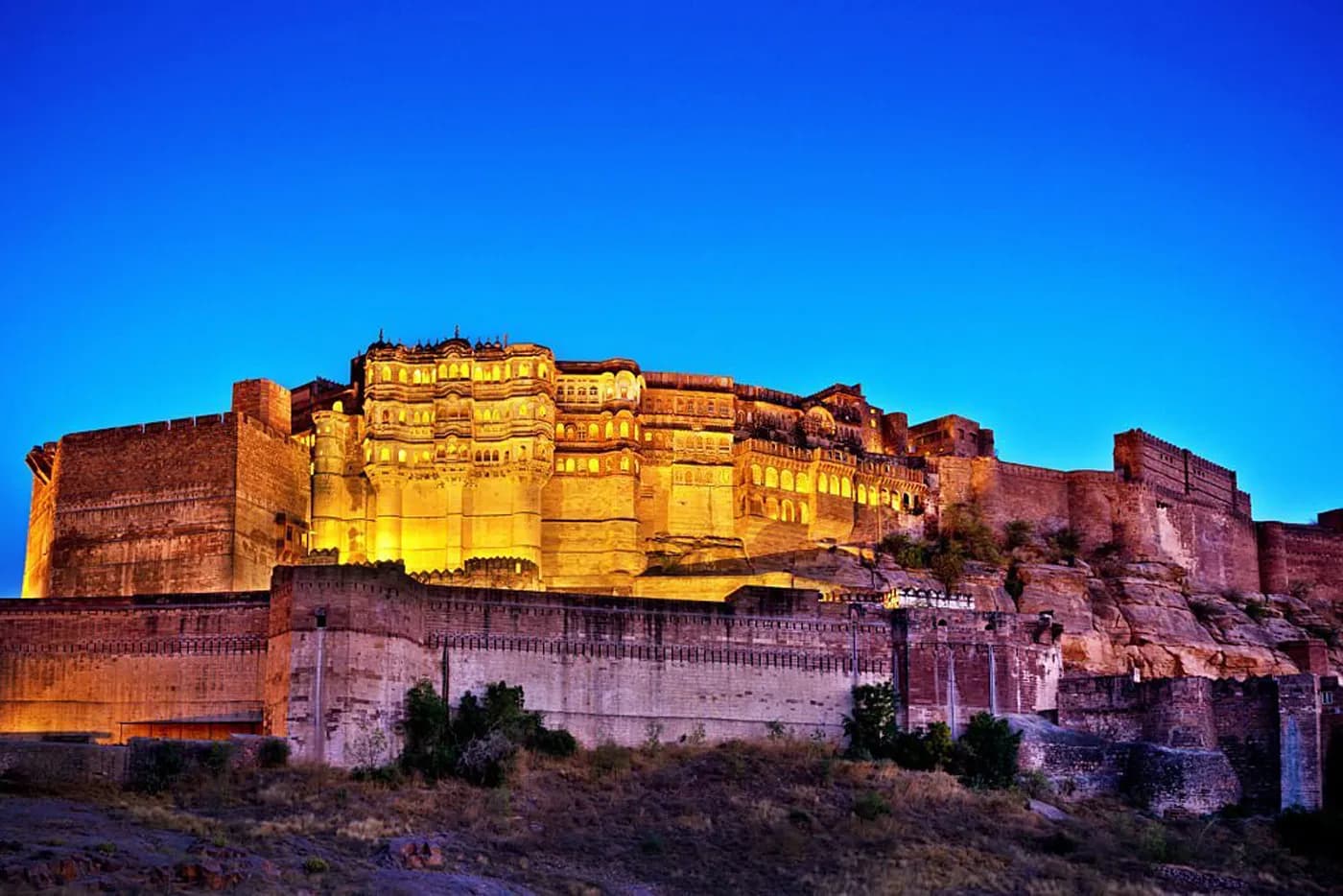
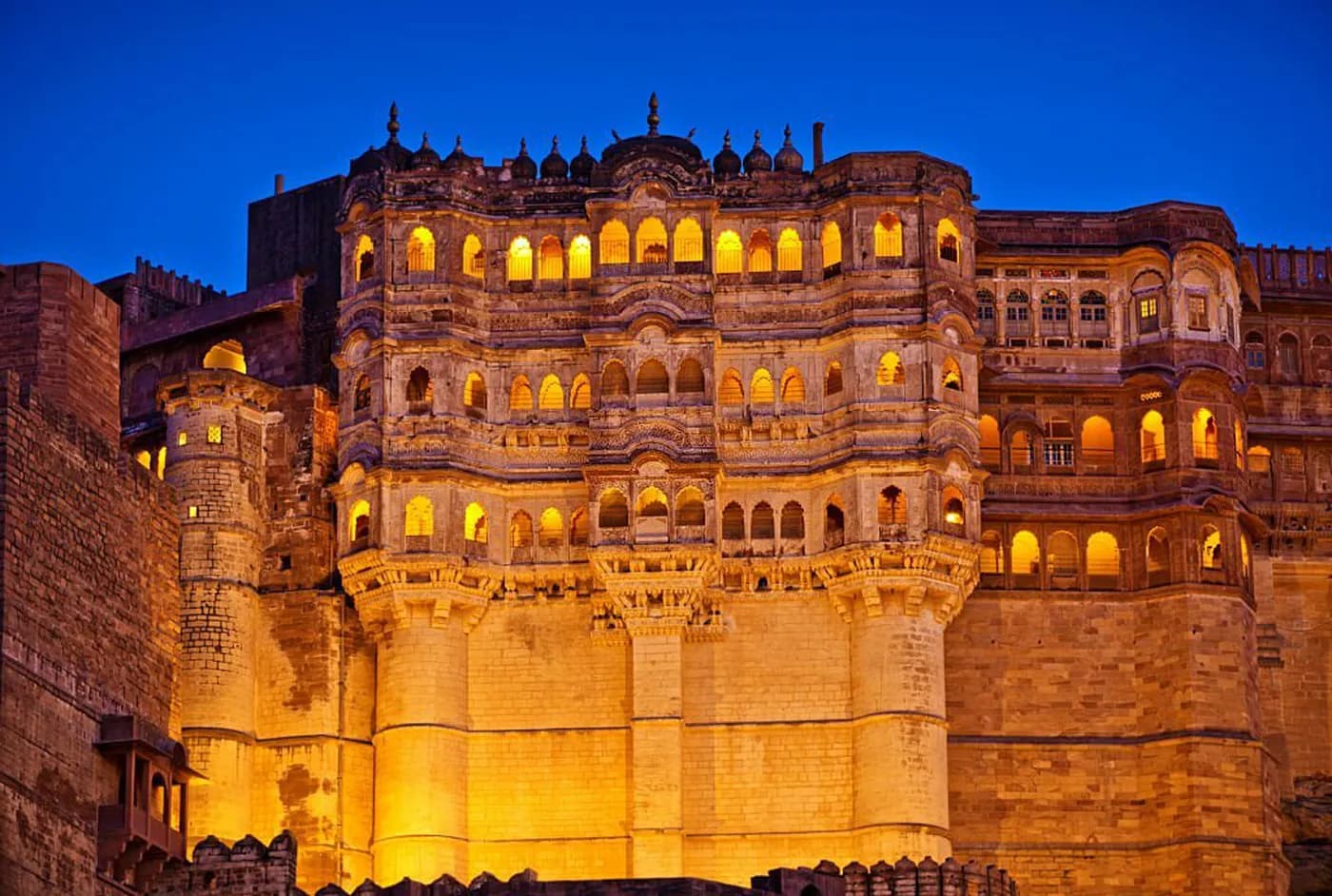
Three hours west of Jaipur, Jodhpur announces itself with Mehrangarh Fort rising 125 metres above the city on sheer rock - arguably the finest fort in all of India, with richly carved interiors, palace galleries, and sweeping views over the famous blue-painted old city below. The blue colour, traditionally associated with Brahmin homes, spread across the entire old city and is best seen from the fort ramparts at sunset. The bazaars around the Clock Tower are the best in Rajasthan for spices, silver, and textiles.
- Mehrangarh Fort - 125m high fortress with finest fort museum in India
- Blue City view - best seen from the ramparts at sunset
- Jaswant Thada - white marble cenotaph beside a serene lake
- Clock Tower & Sardar Market - top bazaar for spices and silverwork
Jaisalmer - The Golden City
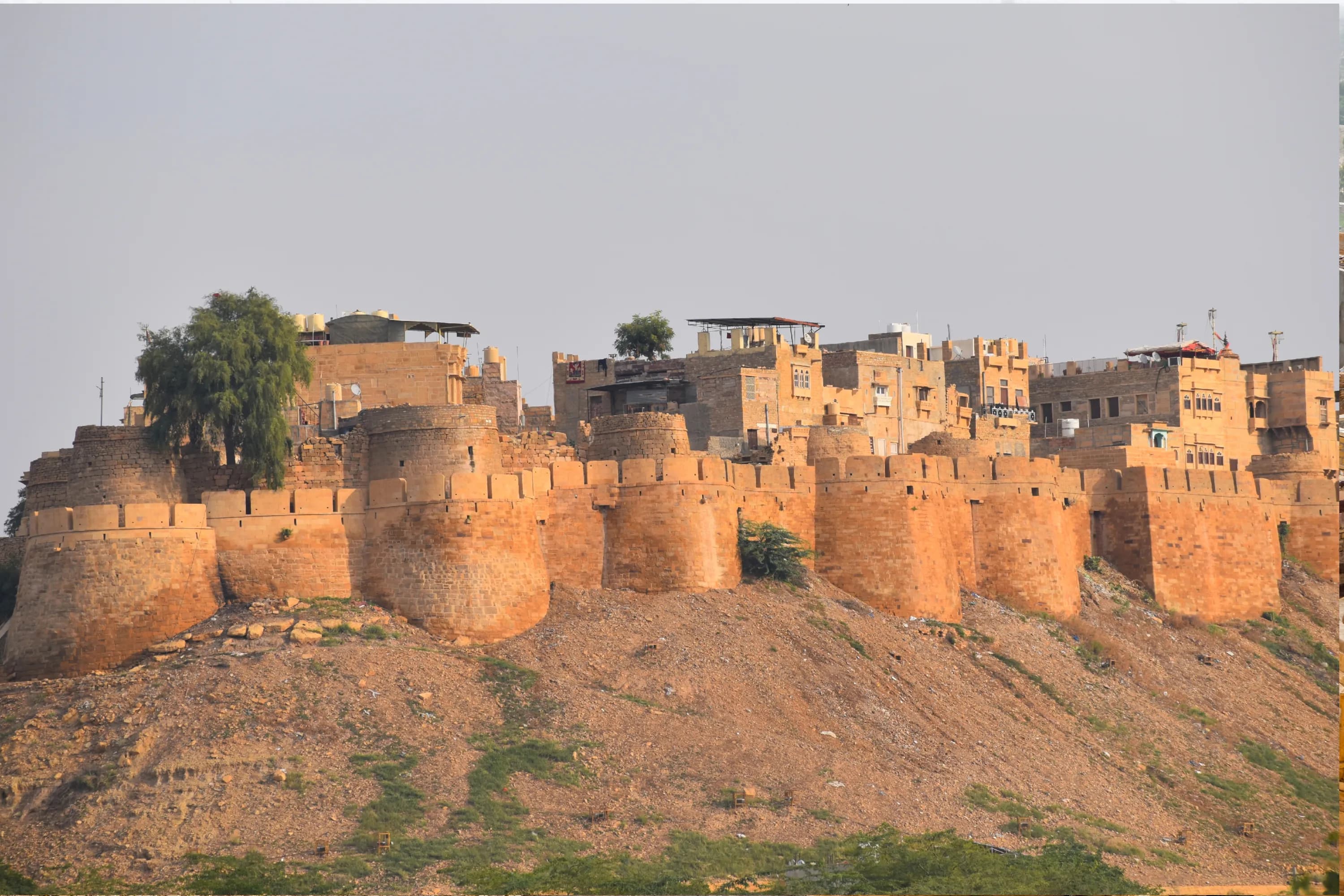
Four hours into the Thar Desert from Jodhpur, Jaisalmer's golden sandstone fort rises from the flat horizon like a mirage. One of the world's few living forts, it still has 3,000 residents within medieval walls. Patwon Ki Haveli - five ornate, interconnected 19th-century merchant mansions - showcases desert sandstone carving at its most intricate. Forty kilometres out, Sam Sand Dunes provide the unmissable Rajasthan desert experience: camel trek at sunset, folk music around a fire, and dinner under blazing stars.
- Jaisalmer Fort - living medieval fortress of golden sandstone
- Patwon Ki Haveli - five lavishly carved 19th-century mansions
- Sam Sand Dunes - camel trek, sunset, and overnight desert camp
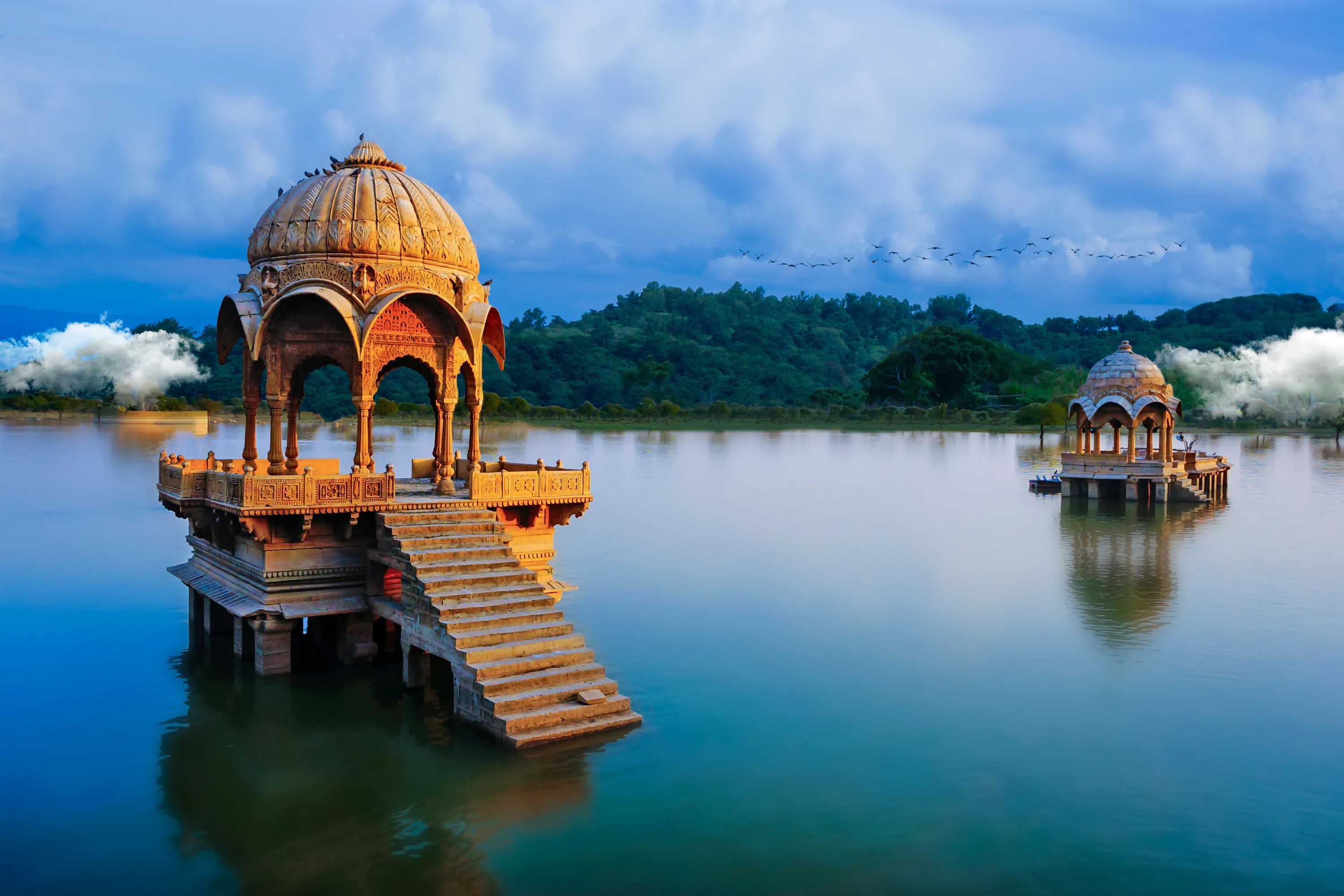
- Gadisar Lake - serene reservoir with temples and ghats
Udaipur - The Lake City
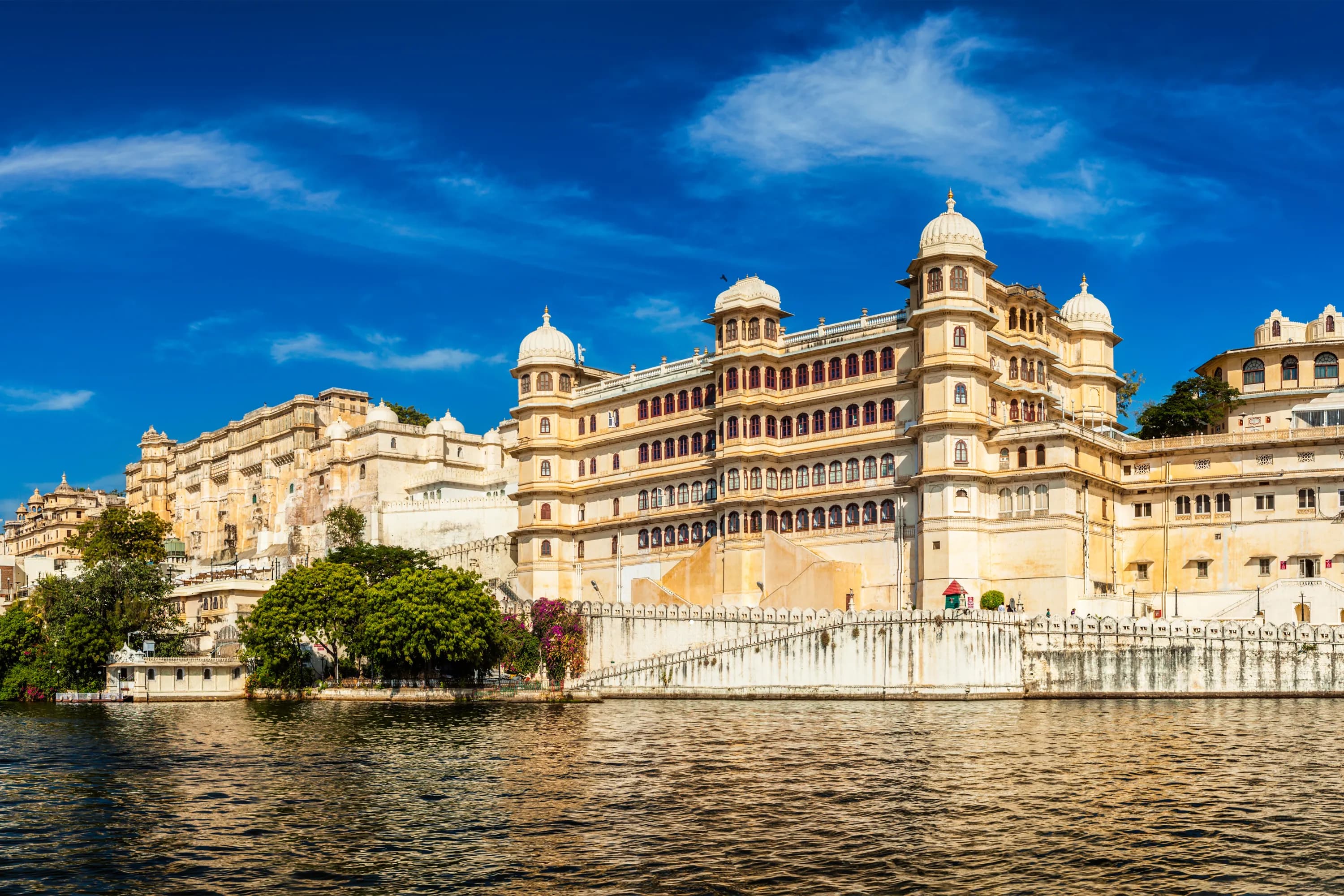
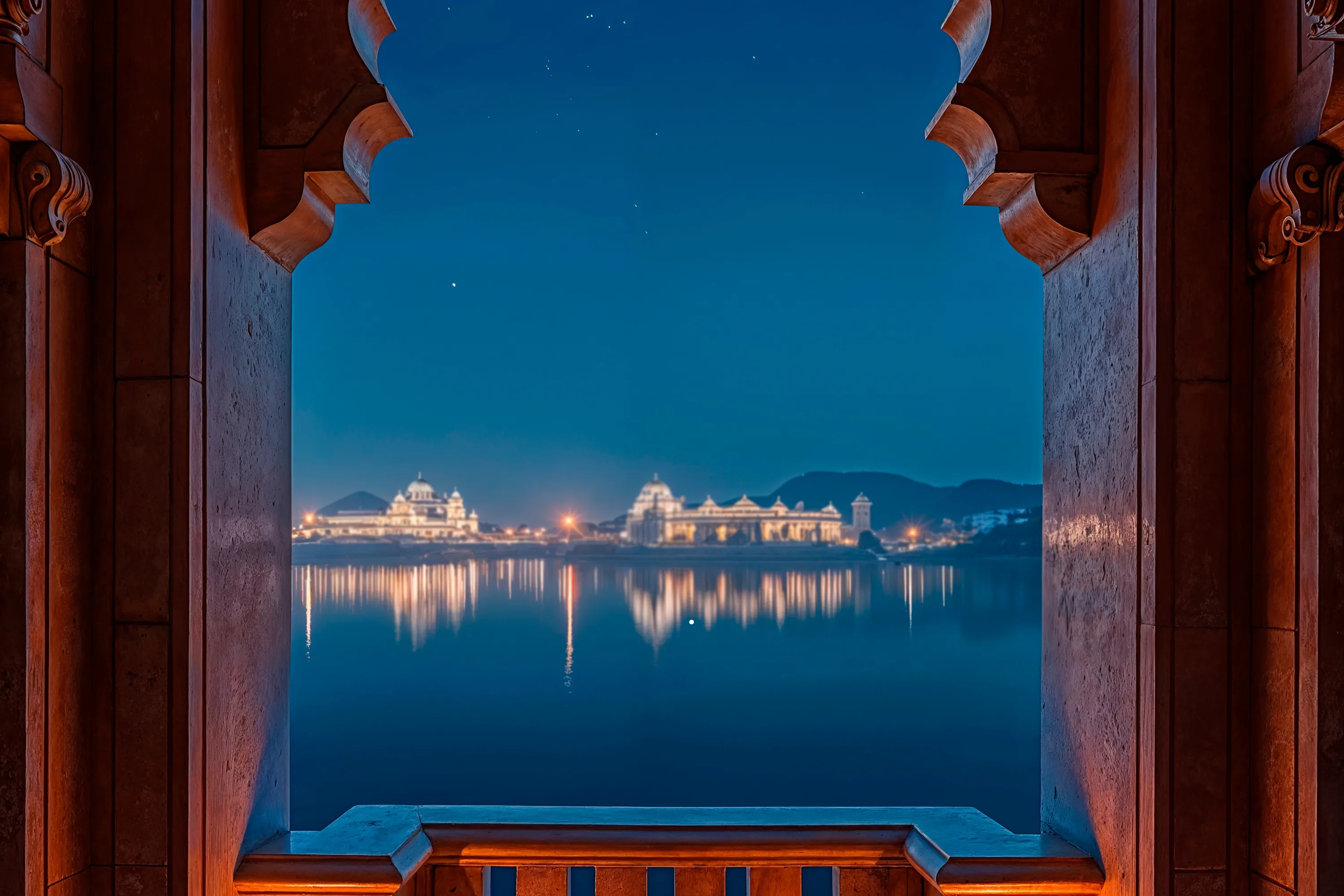
Return east through the Aravalli Hills to Udaipur - the City of Lakes and widely considered India's most romantic city. Set around Lake Pichola and ringed by green hills, it feels entirely unlike arid Rajasthan. The City Palace is the largest palace complex in the state, a labyrinth of 11 successive maharajas' additions overlooking the water. On an island in Lake Pichola, the Lake Palace Hotel - built in 1746 - is now one of the world's most iconic luxury hotels. An evening boat ride watching the palace glow at sunset is an experience unlike any other.
- City Palace - largest palace complex in Rajasthan
- Lake Palace Hotel - 18th-century island palace on Lake Pichola
- Boat ride on Lake Pichola - sunset views across the water
- Jagdish Temple - 17th-century Indo-Aryan temple in the old city
- Bagore-ki-Haveli - lakeside haveli with evening folk performance
Practical Information
Our Rajasthan Heritage Tours run in 7, 10, and 14-night formats with stays in heritage palace and fort hotels.