Brought to you by Luxury Taj Tours
If Agra's Taj Mahal represents love crystallised in white marble, Varanasi represents something altogether different - the raw, sacred, unfiltered experience of life, death, and liberation. Pairing these two destinations creates one of the most profound contrasts imaginable: a journey through India's deepest emotions connected by the Yamuna and Ganges rivers.
Agra: Where Love Was Given Form
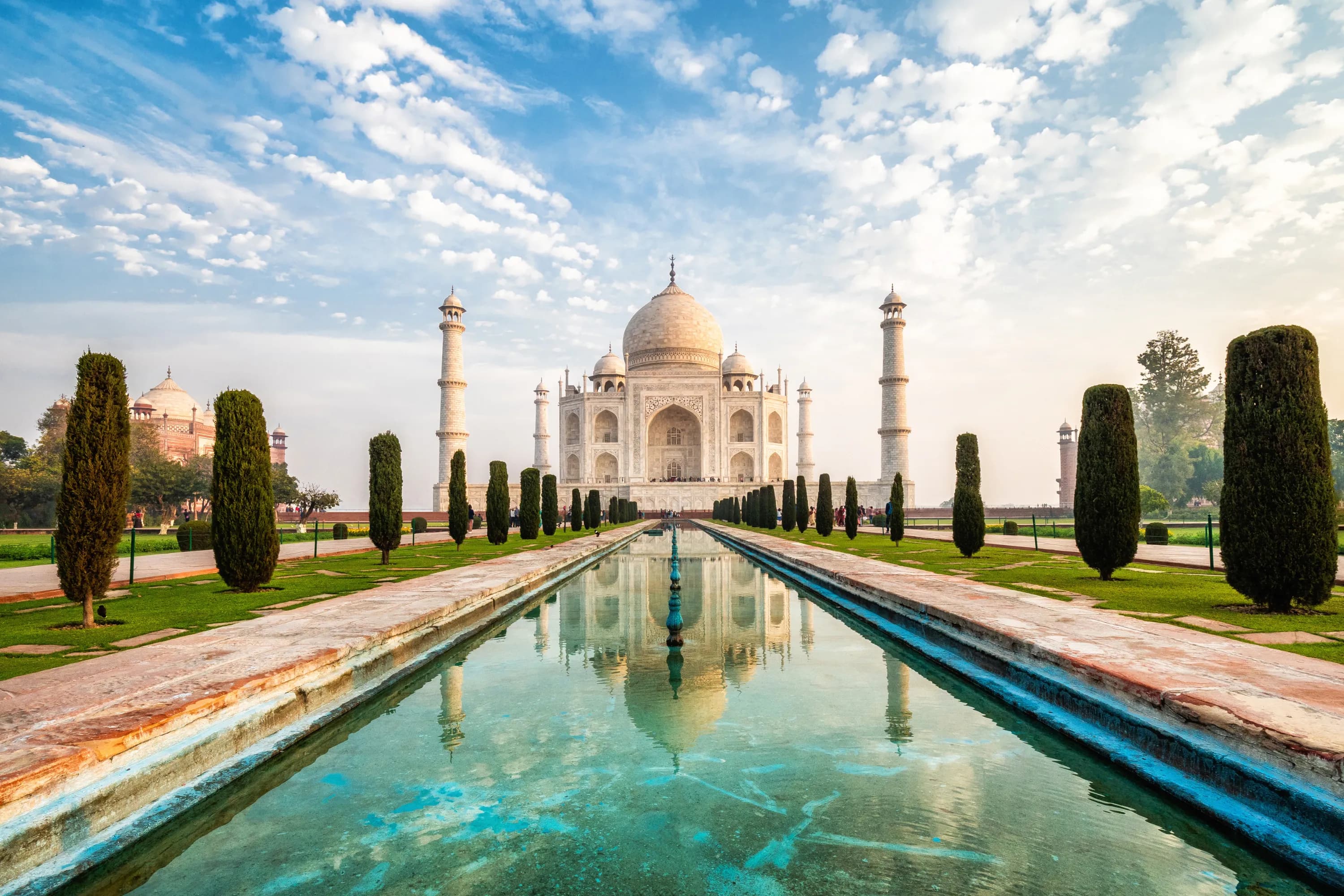
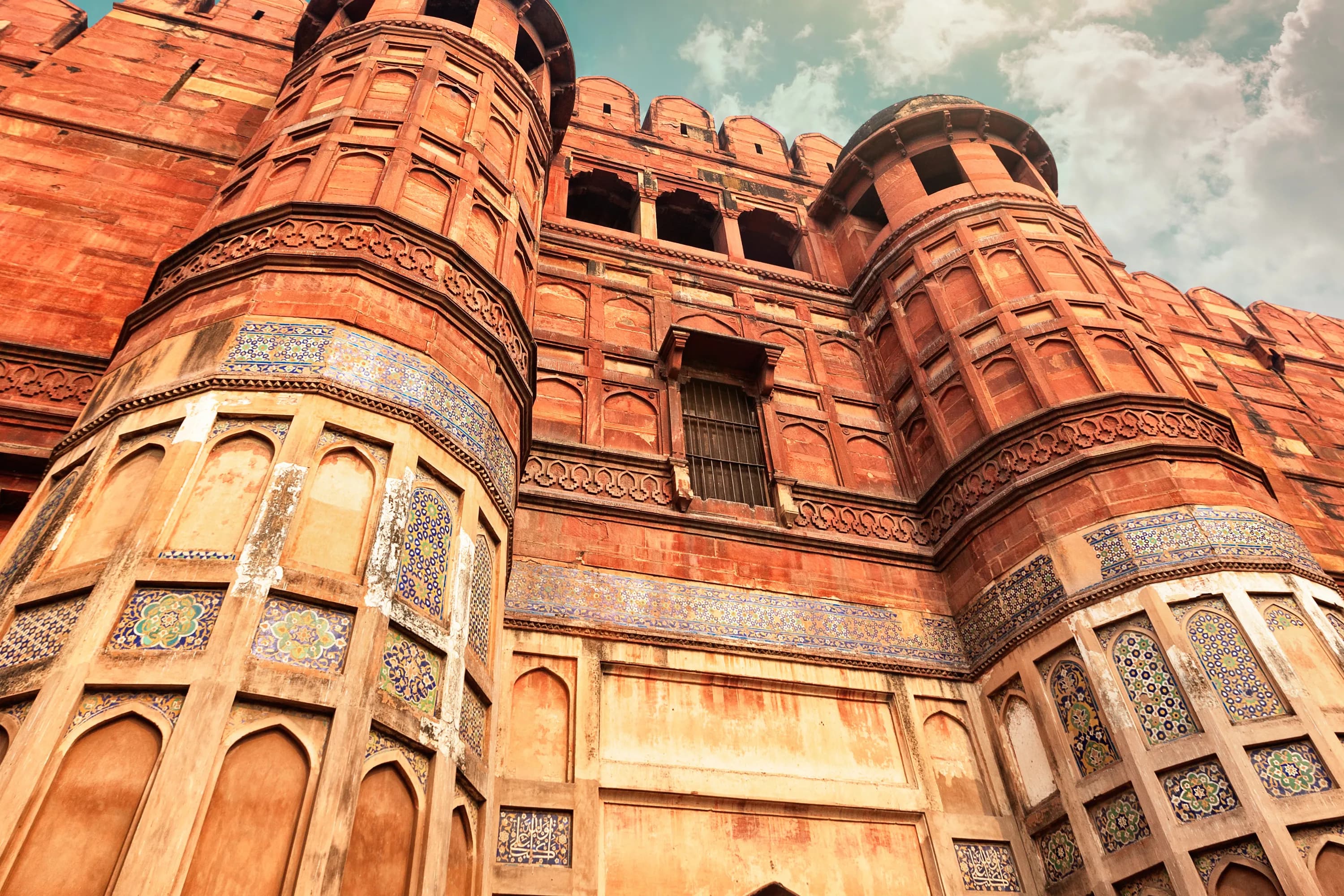
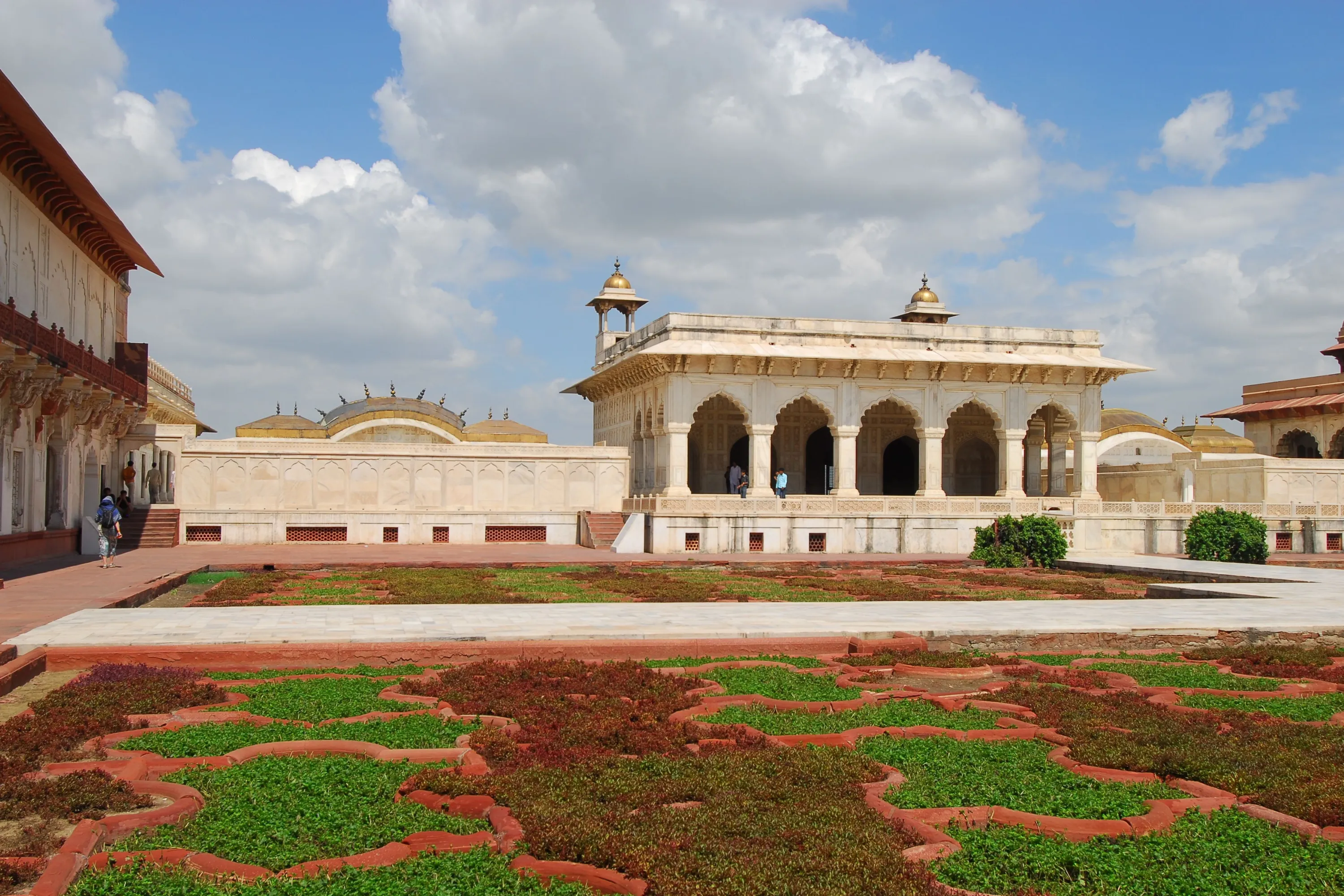
Shah Jahan commissioned the Taj after the death of Mumtaz Mahal in 1631. He reportedly turned grey overnight with grief. The tomb took 22 years to complete, used 28 types of precious stones inlaid into the white marble, and drew 20,000 artisans from across Asia. Experience it at first light, when morning mist hangs over the Yamuna and the monument glows pale rose. Complement the Taj with Agra Fort - where Shah Jahan spent his final years imprisoned, gazing at the Taj from his chamber window - and the delicate Itimad-ud-Daulah (Baby Taj) across the river.
- Taj Mahal - arrive at sunrise; closed Fridays
- Agra Fort - Shah Jahan's prison, directly overlooking the Taj
- Mehtab Bagh - best sunset view of the Taj across the Yamuna
- Baby Taj (Itimad-ud-Daulah) - first Mughal tomb built entirely in marble
Varanasi: The City That Never Dies
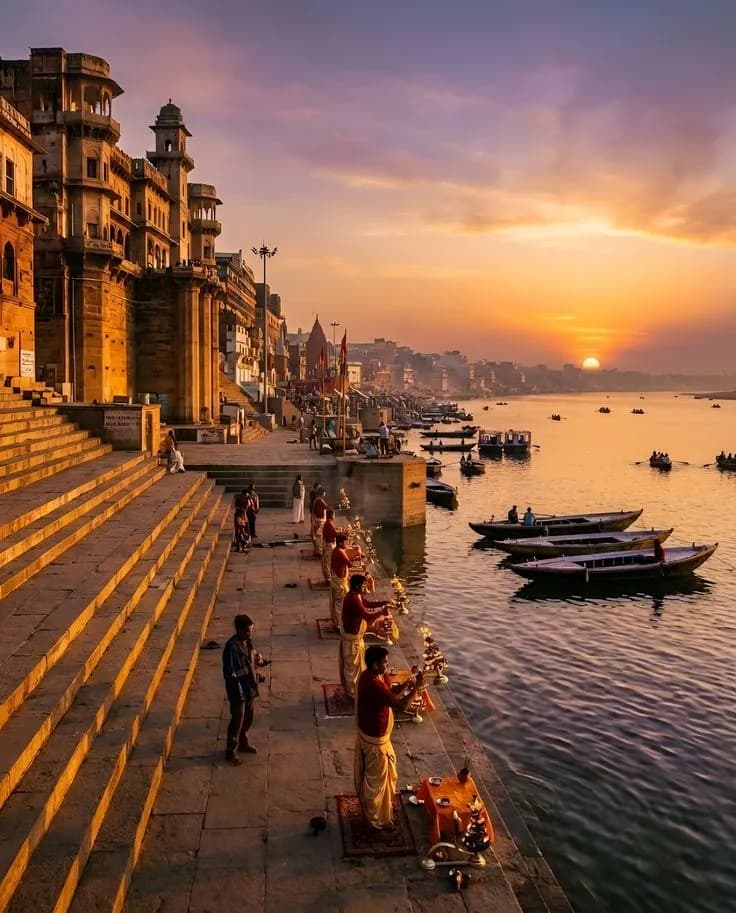
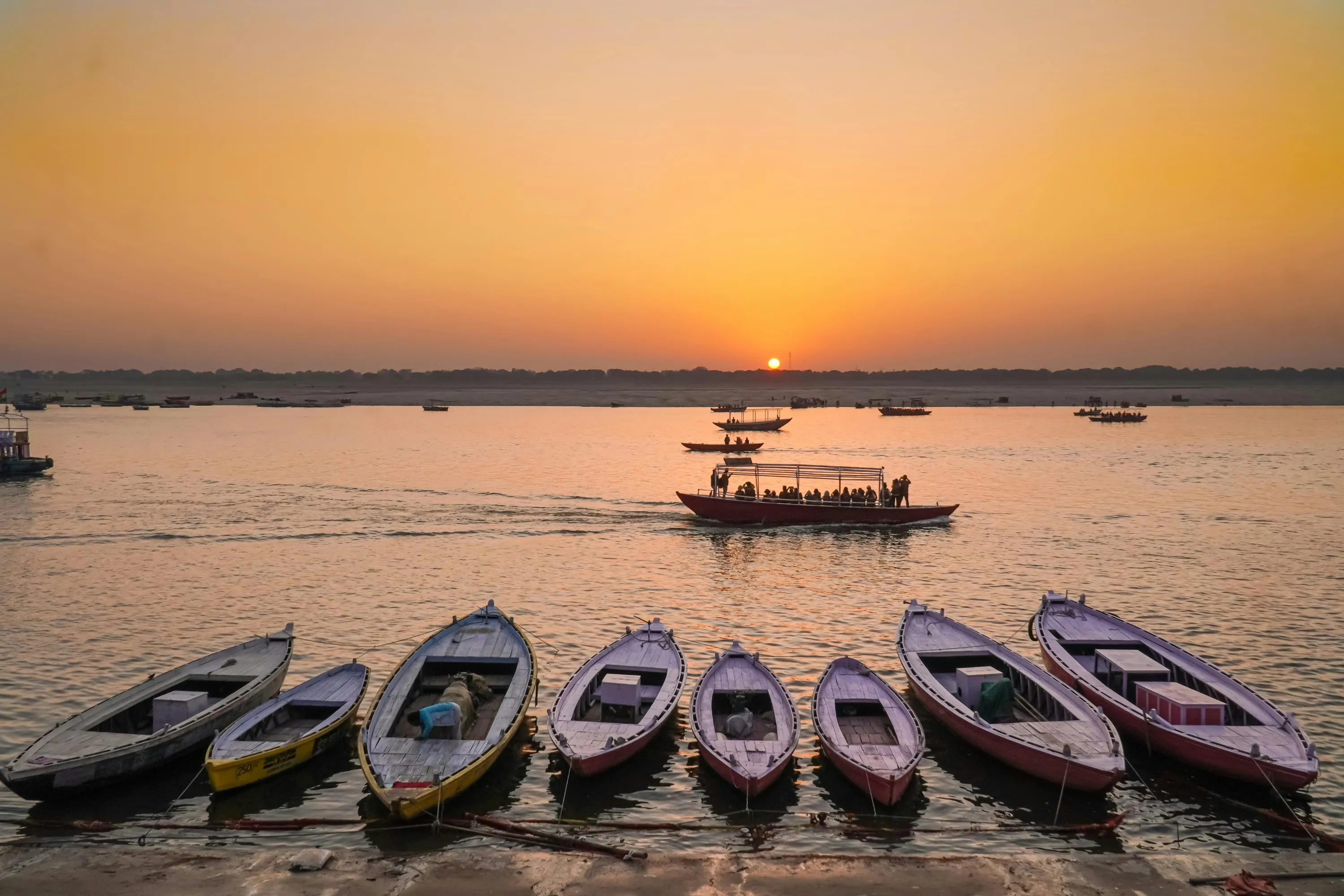
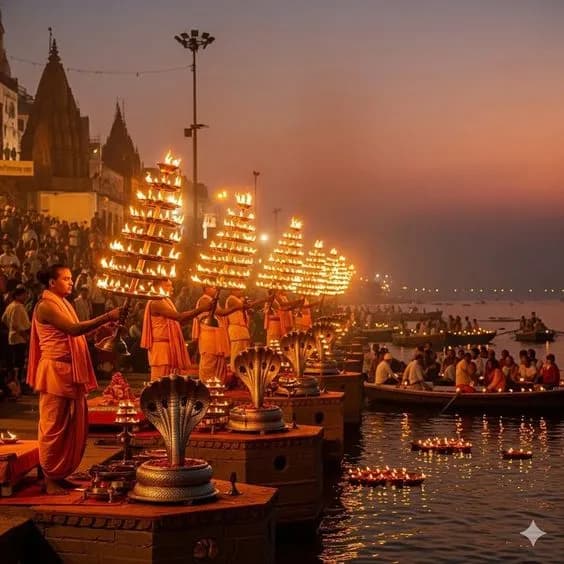
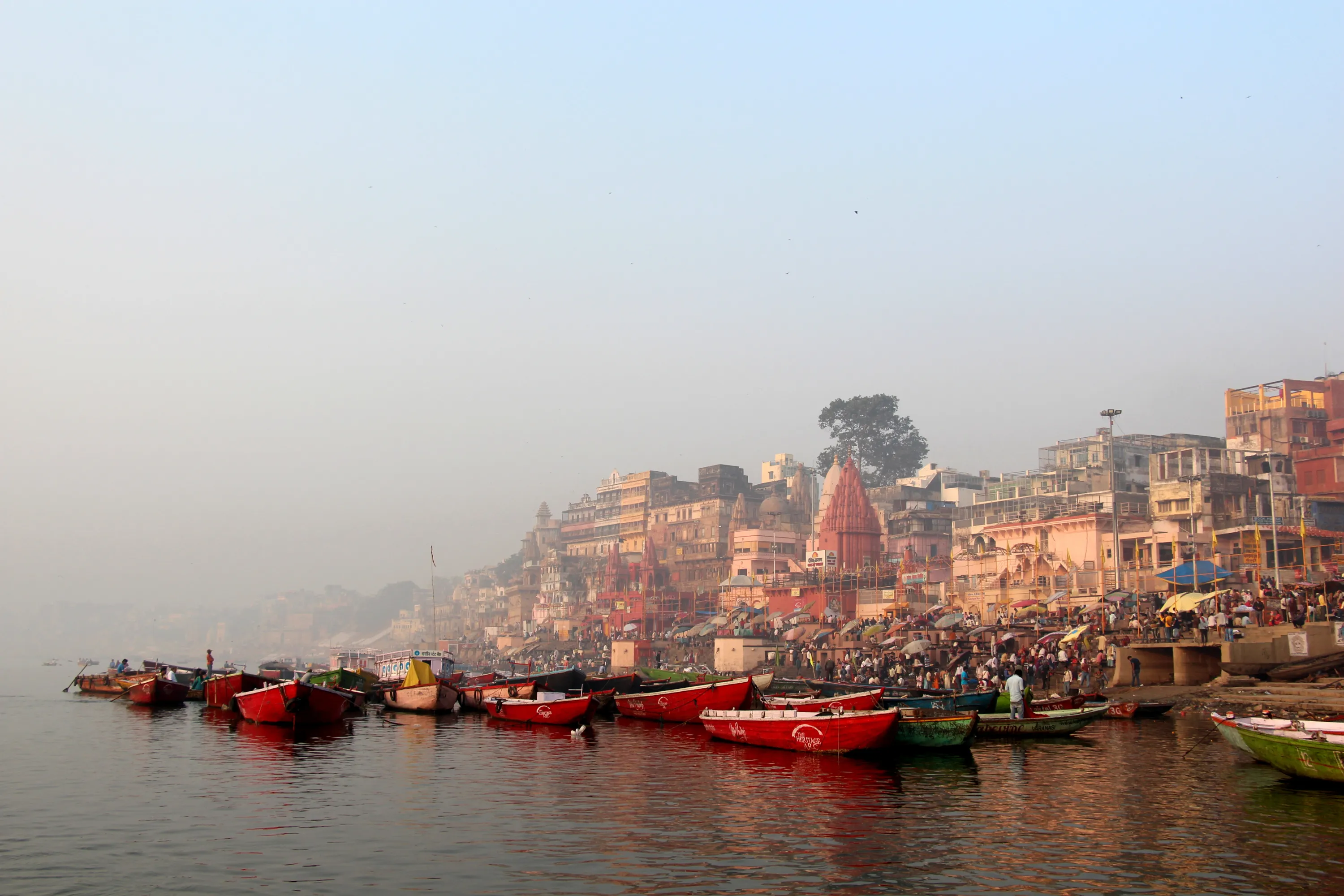
Varanasi - also known as Kashi and Benares - is considered one of the oldest continuously inhabited cities on earth and the holiest city in Hinduism. To die in Varanasi is to receive moksha: liberation from the cycle of rebirth. The 88 ghats descending to the Ganges are where all of life happens simultaneously: priests perform dawn rituals, sadhus meditate, children play, and cremation fires burn 24 hours a day at Manikarnika Ghat. The nightly Ganga Aarti at Dashashwamedh Ghat - seven priests performing a synchronized fire ceremony with brass lamps, incense, and conch shells - is one of the most spectacular rituals on earth.
- Sunrise boat ride - the most memorable experience Varanasi offers
- Dashashwamedh Ghat - site of the nightly Ganga Aarti fire ceremony
- Manikarnika Ghat - the sacred cremation ground that never stops burning
- Old city galis - medieval alleys leading through temples and silk shops
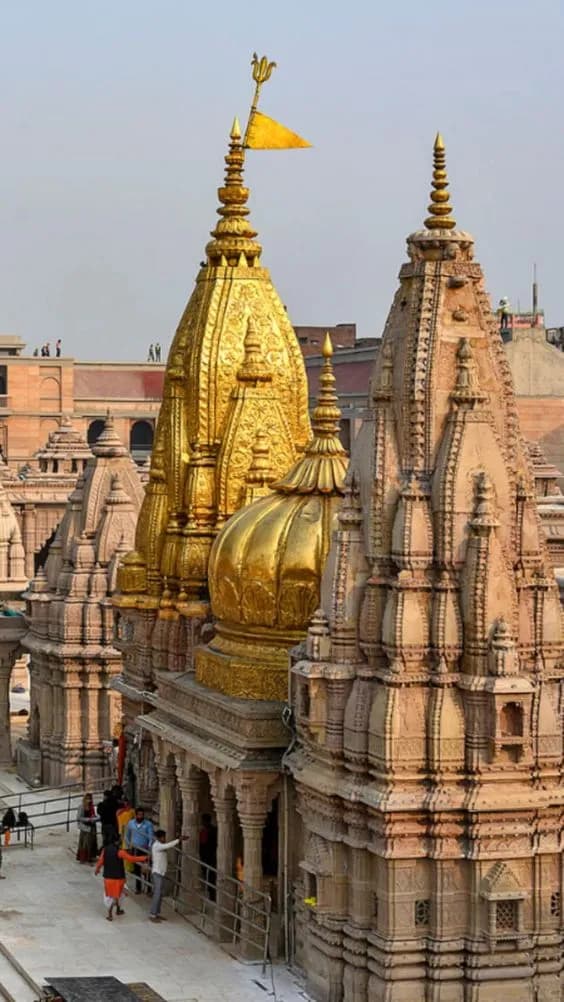
- Kashi Vishwanath Temple - India's most sacred Shiva temple
- Sarnath - 10 km away; site of the Buddha's first sermon
Combining Agra and Varanasi
From Agra, Varanasi lies 560 km east - a comfortable overnight train journey. Many travellers break the journey in Prayagraj, the confluence of three sacred rivers. A combined Agra–Varanasi itinerary brings together India's most iconic monument with one of its most ancient cities. Most guests spend 2 nights in Agra and 2–3 nights in Varanasi, with an optional excursion to Sarnath - where the Buddha gave his first sermon in 528 BCE.
- Overnight train from Agra to Varanasi (comfortable, scenic journey)
- Optional: Prayagraj - confluence of Ganga, Yamuna, and Saraswati
- Sarnath - Dhamek Stupa built 249 BCE, Ashoka's Lion Capital museum
- Banarasi silk - India's finest weaving tradition, widely available here
Practical Information
We craft private Agra–Varanasi itineraries with heritage hotel stays and expert guides at each destination.